
"defect grading"
2000 article(s) found
What does G1MagneG2 stand for in coffee? how to distinguish the grades of Ethiopian coffee beans?
In order to distinguish between good quality coffee beans and poor quality coffee beans, manufacturers have to grade coffee. Coffee is usually graded according to the defect rate and the size of beans.

Classification and causes of defective beans in Fine Coffee SCAA
The growth environment of boutique coffee beans also has higher requirements. Generally grow at an altitude of 1500 meters or even more than 2000 meters above sea level, with appropriate precipitation, sunshine, temperature and soil conditions. Some world-famous coffee beans also have a special geographical environment, such as the alpine clouds in the Blue Mountains, the free shade provided by the afternoon clouds in Kona, and the volcanic ash soil in Antigua.

Graded coffee raw bean treatment
At present, there are three main rating criteria for raw coffee beans, and different countries adopt different rating methods according to their own production conditions and national conditions (not all coffee producing countries adopt the same method). Let's introduce these three popular rating methods. One: the reason for the emergence of such a classification standard according to the altitude of the coffee producing area is mainly because of the high level.

Blue Mountain Coffee Size Priority Grading System
Blue Mountain coffee, although produced in small quantities, has a strict grading system, even if produced in legal Blue Mountain producing areas, according to the size of beans and defect ratio for grading. ? BlueMountainNo.1 Blue Mountain No.1 Bean Type: More than 96% 17/18 mesh Defective Bean Proportion: 2% BlueMountainNo.2 Blue Mountain No.2 Bean Type: More than 96% 16/17 mesh Defective Bean Proportion: 2% BlueMo
Basic knowledge of fine coffee grading of raw coffee beans
At present, there are three main rating criteria for raw coffee beans, and different countries adopt different rating methods according to their own production conditions and national conditions (not all coffee producing countries adopt the same method). Let's introduce these three popular rating methods. One: the reason for the emergence of such a classification standard according to the altitude of the coffee producing area is mainly because of the high level.

Hawaiian Kona Coffee Bean grading system _ Kona Coffee beans how much is it
For more information on coffee beans, please follow Coffee Workshop (Wechat official account cafe_style) Kona Coffee of Hawaii (English: Kona coffee) is an Arabica coffee (Coffea arabica) grown on the main island of Hawaii and is famous for its production areas such as Hualalai in the south and north of the main island and the slopes of Mount Mauna. this
Coffee knowledge | grading of defective beans in SCAA boutique coffee
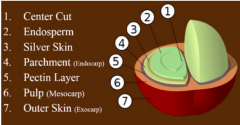
According to the SCAA (American Fine Coffee Association), raw beans are divided into category I and II defects. Before we understand the defective beans, let's take a look at the structure of the coffee fruit. The structure of coffee fruit after picking, the coffee fruit needs to go through a series of processes before it can become what we call coffee raw beans. This series of processes are often referred to as the handling of raw coffee beans or in the industry.
Will defective beans affect the flavor of coffee? How to distinguish defective coffee beans?
Defective beans, if you communicate in the boutique coffee circle, you will probably know that its existence affects the flavor of a cup of coffee. If you usually have the habit of buying coffee beans and going back to make coffee, do you need to pick out defective beans when making coffee? Raw coffee beans will be graded after treatment, most of them
Indonesian coffee grade-
Professional coffee knowledge exchange more coffee bean information please follow the coffee workshop (Wechat official account cafe_style) Republic of Indonesia (Indonesian: Republik Indonesia, English: Republic of Indonesia), referred to as Indonesia (Indonesia). It is a Southeast Asian country with Jakarta as its capital. With countries such as Papua New Guinea, East Timor and Malaysia
A brief introduction to the grading system of coffee beans recommended by Kenyan coffee brands
Professional coffee knowledge exchange more coffee bean information please follow Coffee Workshop (Wechat official account cafe_style) Front Street-Kenya Coffee Brand, Coffee grading system introduction Kenya coffee with bright sour, charming fruit sweet and flavor, is the favorite of many coffee fans, among which AA grade Kenyan coffee is of excellent quality, is a resounding brand in Kenya coffee. Ken
On the grading of raw coffee beans
The last step in the processing of raw coffee beans is grading, so what are the grading methods of raw coffee beans? Do different countries adopt the same approach? At present, there are three main rating criteria for raw coffee beans, and different countries adopt different rating methods according to their own production conditions and national conditions (not all coffee producing countries adopt the same method).
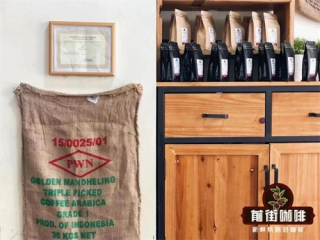
What is the difference between PWN Gold Manning and G1 Manning introduction to the grading system of Mantenin coffee beans
Professional barista communication please follow the coffee workshop (Wechat official account cafe_style) about PWN Manning G1 and Golden Manning do you know the difference? What's the difference? PWN Mantenin G1 according to Sumatra data, during the Japanese occupation of Sumatra in Indonesia during World War II, a Japanese
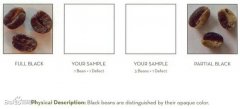
SCAA Fine Coffee grading defective Bean Standard
All black beans / part of black beans appearance features: black opaque raw bean cup sensory features: diversity: fermentation taste, sharp choking taste, turbidity, mildew taste, sharp sour taste, chemical irritation and other single or multiple odors mixture. Cause: excessive fermentation, leading to microbial invasion and infection. Appearance characteristics of whole sour beans / partial sour beans: raw beans have a yellow, yellowish brown or reddish brown appearance, usually
The ranking system of raw beans in coffee producing countries introduces what is the best grade of coffee beans.
Ethiopia (rated in proportion to defective beans) before the emergence of the Ethiopian Commodity Exchange (Ethiopia Commodity Exchange referred to as ECX), Ethiopia's coffee export grade was established by the CLU Department (Cupping and Liquoring Unit) under the Ministry of Agriculture, mainly according to the number of defective beans in 300g. The classification criteria are as follows.

Summary of coffee bean grade classification in various countries formulation and grade classification of coffee producing countries
In the Qianjie coffee factory, each batch of new beans received, there will be information about these beans, coffee producing country, altitude, manor, treatment, and the grading of coffee to be mentioned today, such as Kenya PB, Yega G1, so what does these grading letters mean? in fact, coffee grading standards vary from country to country and from region to region.
What's the difference between G1 and G2 Yega Xuefei? Classification of coffee beans in Ethiopia
We know that coffee beans are usually graded according to the actual situation of the growing country, such as Kenyan coffee, altitude, blue mountain coffee, and coffee defect rate, such as Ethiopian coffee. Ethiopia, as the gene bank of Arabica, has a wide variety of coffee.
Identification of coffee beans graded defective beans in coffee producing areas of Kenya
◎ grades defective beans by the number of points, which is the earliest method of grading, and is still in use in many parts of Brazil. The method of identification is to randomly take 300 grams of samples and put them on black paper, because black paper can best avoid reflection. Then, examined carefully by the professional appraiser, find out the defective beans in the sample, and accumulate different scores according to the types of defects. For example, one black bean counts as one.

How to understand the coffee bean grade system of flavor and taste in each major coffee bean producing area
What's coffee talking about? The brewing of a cup of coffee begins with choosing beans. The flavor and texture of the raw material itself has determined the vocabulary you can tell. There is only one way to choose beans and understand what each coffee bean is talking about, and that is to increase the personal experience of drinking coffee. For example, try coffee from different producing areas in a coffee shop, or go to multiple cafes

Description of graded Flavor of Guatemalan Coffee Variety introduction of Regional treatment method for Manor production
The so-called cup evaluation test is to evaluate the aroma and taste of raw coffee beans after being roasted and ground into powder and soaked in hot water (about 90 degrees). It is mainly divided into six grades: Strictly Soft is very mild, Soft is mild, Softish is mild, Hard is difficult, Rio is light iodine, Rioy is strong.
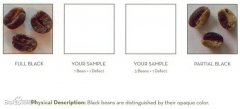
SCAA Fine Coffee Grading All kinds of defective beans
Whole black beans/partial black beans Appearance characteristics: black opaque raw beans Cup sensory characteristics: diversity: fermented flavor, sharp choking flavor, turbidity, mildew, sharp sour flavor, chemical stimulation flavor and other single or multiple odors mixed. Cause: Excessive fermentation, leading to microbial invasion infection. Whole/partial sour beans Appearance characteristics: Raw beans have a yellow, tan or reddish brown appearance, usually